Basic Sewing Stitches Every Beginner Should Know in Fashion Designing: A Complete Guide
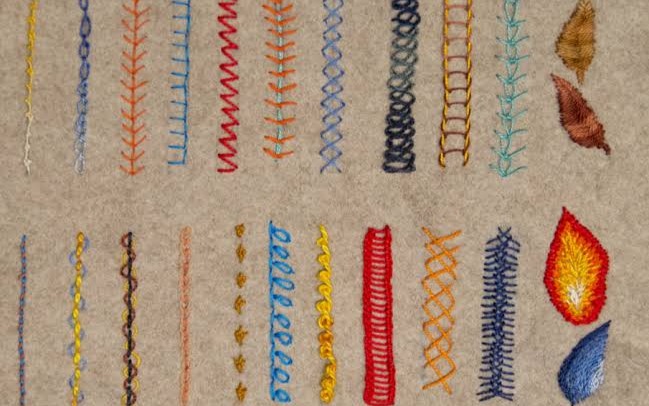
Every beautiful garment starts with a strong foundation, and one of the first skills every fashion designer should learn is sewing stitches. Whether you're sewing by hand or using a sewing machine, understanding the different types of stitches and when to use them will help you create neat, durable, and professional-looking garments.
If you're just beginning your fashion journey, don't worry. This guide explains the most important sewing stitches in simple terms, making it easy for you to learn and practice.
Why Are Sewing Stitches Important?
Sewing stitches do more than hold fabric together. They determine the strength, appearance, and durability of every garment.
Learning the right stitches helps you:
Sew stronger and longer-lasting garments.
Create neat, professional finishes.
Repair clothes easily.
Improve your sewing confidence.
Handle different types of fabrics correctly.
The better your stitching, the more polished your finished garment will look.
1. Running Stitch
The running stitch is the simplest and one of the first stitches every beginner learns. It consists of evenly spaced stitches made by passing the needle in and out of the fabric.
Uses:
Temporary stitching (basting)
Simple repairs
Gathering fabric
Basic hand sewing
Best for: Beginners and practice projects.
2. Backstitch
The backstitch is one of the strongest hand stitches because each stitch overlaps the previous one.
Uses:
Permanent seams
Mending torn clothes
Sewing garments by hand
Areas that require extra strength
Best for: Strong, durable seams.
3. Basting Stitch (Tacking Stitch)
Basting stitches are long, loose stitches used temporarily before permanent sewing.
Uses:
Holding fabric pieces together
Checking garment fit
Preparing zippers
Positioning sleeves
Best for: Temporary sewing.
4. Slip Stitch (Invisible Stitch)
The slip stitch is almost invisible from the outside of the garment.
Uses:
Closing garment openings
Sewing linings
Hemming dresses and skirts
Finishing necklines
Best for: Hidden finishing.
5. Blind Hem Stitch
This stitch creates an almost invisible hem on garments.
Uses:
Trouser hems
Skirt hems
Formal dresses
Curtains
Best for: Professional hemming.
6. Whip Stitch
The whip stitch wraps around the edge of the fabric.
Uses:
Joining fabric edges
Felt projects
Closing openings
Decorative finishing
Best for: Edge finishing and repairs.
7. Overcast Stitch
The overcast stitch prevents raw fabric edges from fraying.
Uses:
Finishing seam allowances
Preventing fabric from unraveling
Hand edge finishing
Best for: Woven fabrics.
8. Catch Stitch (Herringbone Stitch)
This stitch forms crisscross patterns on the inside of the garment.
Uses:
Hems
Linings
Stretch fabrics
Couture garments
Best for: Flexible hems.
9. Chain Stitch
The chain stitch creates loops that resemble a chain.
Uses:
Decorative embroidery
Fashion embellishments
Traditional embroidery designs
Best for: Decorative sewing.
10. Satin Stitch
A satin stitch consists of closely placed stitches that completely cover the fabric.
Uses:
Embroidery
Appliqué
Monograms
Decorative designs
Best for: Beautiful surface decoration.
Basic Machine Stitches Every Beginner Should Know
If you're using a sewing machine, these stitches are essential.
11. Straight Stitch
The straight stitch is the most commonly used machine stitch.
Uses:
Joining fabric pieces
Topstitching
Construction sewing
General garment making
Best for: Almost every sewing project.
12. Zigzag Stitch
The zigzag stitch moves from side to side instead of in a straight line.
Uses:
Stretch fabrics
Finishing raw edges
Sewing elastic
Decorative sewing
Best for: Preventing fraying.
13. Stretch Stitch
Designed specifically for fabrics that stretch.
Uses:
Lycra
Jersey knit
Sportswear
Activewear
Best for: Stretch garments.
14. Overlock Stitch (Serger Stitch)
This stitch trims and finishes fabric edges simultaneously using an overlock machine.
Uses:
Professional seam finishing
Knit fabrics
Ready-to-wear garments
Preventing fraying
Best for: Professional garment construction.
15. Buttonhole Stitch
Modern sewing machines can create neat buttonholes automatically.
Uses:
Shirts
Jackets
Dresses
Uniforms
Best for: Button closures.
16. Topstitch
Topstitching is visible stitching sewn on the outside of a garment.
Uses:
Decorative finishing
Reinforcing seams
Jeans
Jackets
Bags
Best for: Style and durability.
Tips for Beginners
If you're just learning how to sew:
Practice on scrap fabric before working on your project.
Learn hand stitches before moving to advanced machine techniques.
Always use the correct needle and thread for your fabric.
Keep your stitches even and consistent.
Press your seams as you sew for a professional finish.
Remember, every expert fashion designer was once a beginner. The more you practice, the more confident and skilled you'll become.
Common Mistakes Beginners Should Avoid
Pulling stitches too tightly.
Using the wrong stitch for the fabric.
Skipping back-stitching at the beginning and end of seams.
Sewing too fast before gaining control.
Ignoring loose thread tension.
Forgetting to press seams during construction.
Avoiding these mistakes will improve both the appearance and durability of your garments.
Final Thoughts
Mastering basic sewing stitches is one of the most important steps in becoming a successful fashion designer. Each stitch has a specific purpose, and knowing when to use the right one will make your garments stronger, neater, and more professional.
Take your time to practice each stitch until it becomes second nature. As your confidence grows, you'll be ready to explore advanced sewing techniques and create garments you'll be proud of.
Every masterpiece begins with mastering the basics. Perfect your stitches today, and you'll build the skills needed to create timeless fashion tomorrow.

Dinat Signature
Dedicated to preserving Nigerian artisanal textile crafts while elevating contemporary pattern cutting, couture construction, and fashion education for makers globally.
Discussion & Feedback 0
Ask tailoring questions, share results, or contribute technical advice.
No comments posted yet
Be the first to share your thoughts or questions regarding this masterclass.
Leave a Comment
Join the conversation. All messages are moderated for respectful dialogue.