Direct Drive Industrial Sewing Machine Parts and Their Functions (Complete Beginner's Guide)
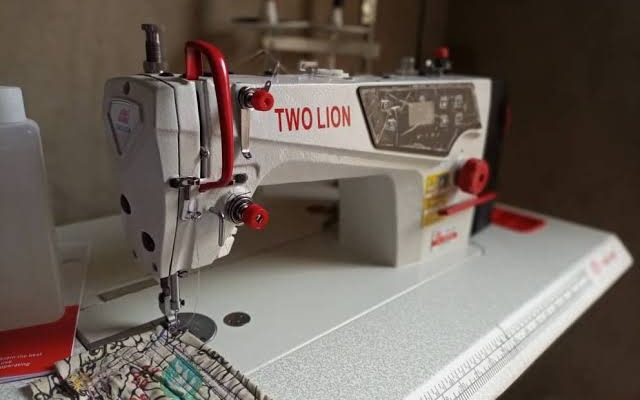
If you're a fashion designer or tailor looking to improve your sewing skills, understanding the different parts of a direct drive industrial sewing machine is just as important as learning how to sew. Knowing what each part does will help you operate your machine confidently, solve minor issues quickly, and keep it in excellent working condition.
Whether you're a beginner, an apprentice, or an experienced fashion entrepreneur, this guide explains the major parts of a direct drive industrial sewing machine in simple, easy-to-understand language.
What Is a Direct Drive Industrial Sewing Machine?
A direct drive industrial sewing machine is a modern sewing machine where the motor is built directly into the machine's head instead of being mounted underneath the table. This design makes the machine quieter, more energy-efficient, faster, and easier to control than traditional clutch motor machines.
Today, direct drive machines are widely used in fashion schools, tailoring shops, garment factories, and fashion businesses because they offer better speed control and consume less electricity.
Main Parts of a Direct Drive Industrial Sewing Machine and Their Functions
1. Machine Head
The machine head is the main body of the sewing machine. It houses most of the internal mechanisms responsible for stitching. Every major sewing operation happens within this section.
2. Built-in Direct Drive Motor
Unlike older industrial machines, the motor is integrated into the machine itself.
Function:
Powers the machine.
Provides smooth and quiet operation.
Reduces vibration.
Saves electricity.
3. Hand Wheel
Located on the right side of the machine.
Function:
Raises and lowers the needle manually.
Helps position the needle accurately before sewing.
Useful when troubleshooting thread jams.
4. Needle Bar
The needle bar holds the sewing needle securely.
Function:
Moves the needle up and down.
Ensures accurate stitch formation.
5. Needle Clamp
This small part secures the needle in place.
Function:
Holds the needle firmly.
Prevents the needle from slipping while sewing.
6. Presser Foot
The presser foot presses the fabric against the feed dogs.
Function:
Holds fabric firmly during sewing.
Prevents fabric from shifting.
Helps produce neat, even stitches.
7. Presser Foot Lifter
Usually located behind the needle area.
Function:
Raises and lowers the presser foot.
Makes it easier to insert or remove fabric.
8. Feed Dogs
These are the small metal teeth beneath the presser foot.
Function:
Move the fabric forward evenly.
Ensure consistent stitch length.
9. Needle Plate
Also called the throat plate.
Function:
Supports the fabric while sewing.
Contains needle holes and stitch guides.
Covers the feed dogs.
10. Bobbin
The bobbin holds the lower thread.
Function:
Supplies the bottom thread needed to create stitches.
11. Bobbin Case
The bobbin sits inside the bobbin case.
Function:
Controls lower thread tension.
Allows smooth release of bobbin thread.
12. Hook Assembly
Located beneath the needle plate.
Function:
Catches the upper thread.
Interlocks it with the bobbin thread to form stitches.
13. Thread Stand
Positioned above the sewing machine.
Function:
Holds one or more thread cones.
Allows thread to feed smoothly into the machine.
14. Thread Guides
Small metal loops along the thread path.
Function:
Direct the thread correctly.
Prevent tangling and uneven feeding.
15. Tension Discs
These regulate the pressure applied to the upper thread.
Function:
Maintain balanced stitch tension.
Prevent loose or overly tight stitches.
16. Take-Up Lever
This part moves up and down while sewing.
Function:
Pulls excess thread after each stitch.
Keeps stitches neat and secure.
17. Stitch Length Regulator
Usually found on the front of the machine.
Function:
Adjusts how long or short each stitch will be.
Useful for different sewing techniques.
18. Reverse Lever
A handy control found near the stitch regulator.
Function:
Allows backward stitching.
Secures the beginning and end of seams.
19. Foot Pedal
The foot pedal controls the machine's speed.
Function:
Starts and stops the machine.
Lets you increase or reduce sewing speed with your foot.
20. Control Panel (Available on Many Models)
Most modern direct drive machines include a small digital control panel.
Function:
Adjusts sewing speed.
Sets needle stop position.
Controls automatic functions on advanced models.
21. Machine Table
The machine is mounted on a sturdy table.
Function:
Provides stability.
Supports large pieces of fabric while sewing.
22. Knee Lifter
Some industrial machines include a knee lifter beneath the table.
Function:
Raises the presser foot without using your hands.
Makes fabric handling much easier.

Why You Should Know Your Machine Parts
Understanding your sewing machine helps you:
Identify problems quickly.
Reduce machine breakdowns.
Improve sewing accuracy.
Increase your confidence while working.
Maintain your machine properly.
Extend the lifespan of your investment.
Whether you're sewing ready-to-wear outfits, bridal dresses, native wear, or everyday clothing, mastering your machine gives you greater control over your craft.
Basic Maintenance Tips
To keep your direct drive industrial sewing machine performing at its best:
Clean lint and dust after every sewing session.
Oil the machine only where recommended by the manufacturer.
Replace bent or dull needles immediately.
Use quality sewing thread.
Check the bobbin area regularly for trapped thread.
Service the machine periodically, especially if you sew daily.
Final Thoughts
A direct drive industrial sewing machine is one of the best investments for any fashion designer. Beyond simply knowing how to operate it, understanding each part and its function will improve your sewing experience, reduce costly mistakes, and help you produce professional-quality garments.
The more familiar you become with your machine, the more efficiently you can work and the longer your equipment will serve your fashion business.
Watch the Step-by-Step Workshop
Dinat Signature
Dedicated to preserving Nigerian artisanal textile crafts while elevating contemporary pattern cutting, couture construction, and fashion education for makers globally.
Discussion & Feedback 0
Ask tailoring questions, share results, or contribute technical advice.
No comments posted yet
Be the first to share your thoughts or questions regarding this masterclass.
Leave a Comment
Join the conversation. All messages are moderated for respectful dialogue.