How to Choose the Right Fabric for Different Types of Clothing: A Complete Guide for Fashion Designers
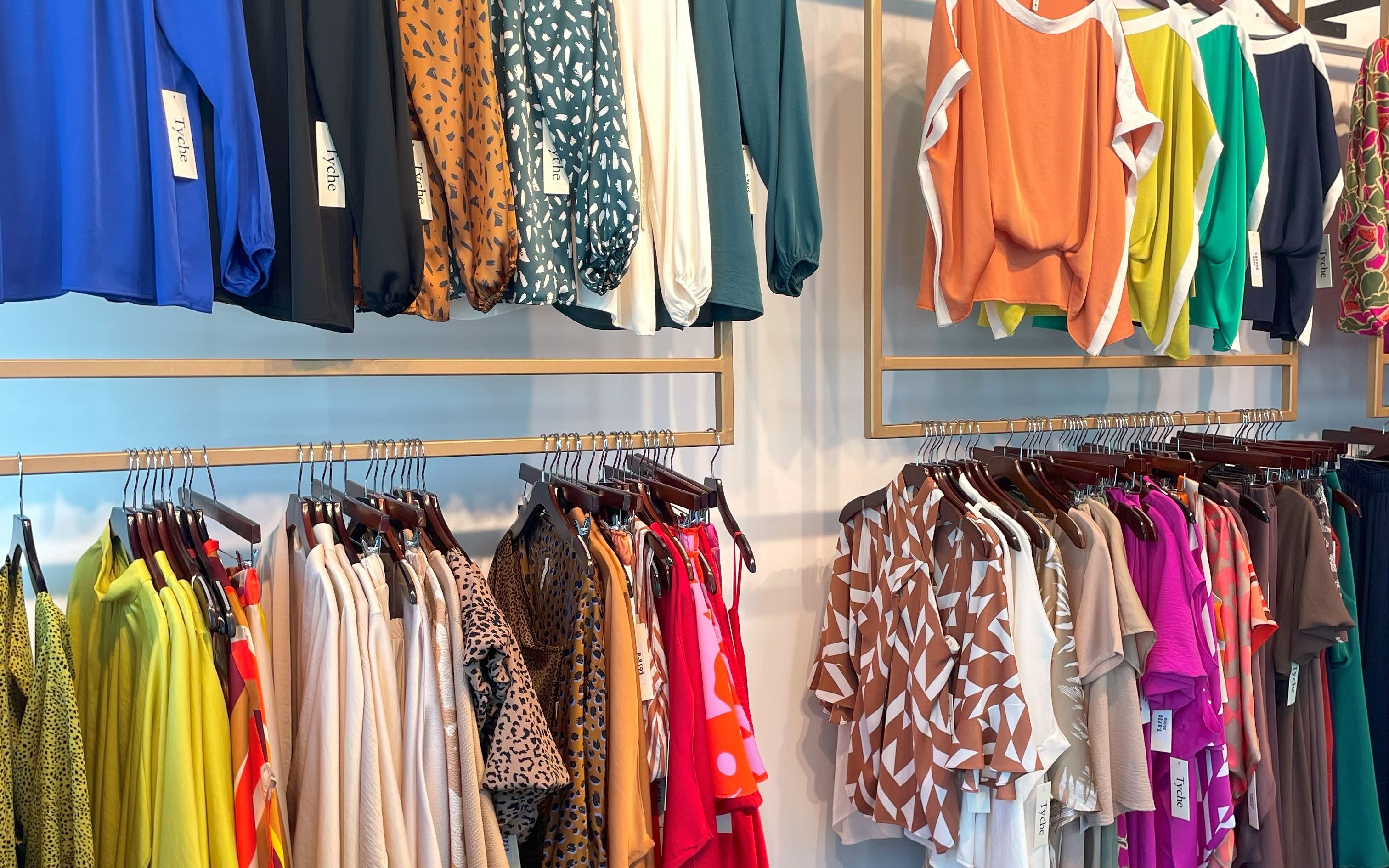
One of the most common mistakes beginners make in fashion designing is choosing the wrong fabric for a garment. You may have the perfect design, an excellent pattern, and neat stitching, but if the fabric isn't suitable for the style, the final outfit may not look or feel right.
As a fashion designer, understanding different fabrics and knowing when to use them is a skill that sets professionals apart from amateurs.
In this guide, you'll learn how to choose the right fabric for different types of clothing, the factors to consider before buying fabric, and the best fabric options for various garments.
Why Fabric Choice Matters
The fabric you choose affects:
How the garment fits.
How comfortable it feels.
How well it drapes on the body.
Its durability.
The overall appearance of the outfit.
A beautiful design can lose its elegance if it's made with the wrong fabric. That's why fabric selection should never be an afterthought.
Factors to Consider Before Choosing a Fabric
1. Purpose of the Outfit
Ask yourself:
Is it for everyday wear?
Is it for a wedding or special occasion?
Is it office wear?
Is it children's clothing?
Is it sportswear?
The purpose of the garment determines the type of fabric that will perform best.
2. Fabric Weight
Fabrics generally come in three categories:
Lightweight Fabrics Examples include chiffon, organza, voile, and silk.
Best for:
Blouses
Scarves
Flowing gowns
Summer outfits
Medium-Weight Fabrics Examples include Ankara, crepe, cotton, linen, and satin.
Best for:
Dresses
Shirts
Skirts
Trousers
Kaftans
Heavyweight Fabrics Examples include denim, brocade, velvet, wool, and thick Aso-Oke.
Best for:
Jackets
Coats
Structured gowns
Corsets
Traditional outfits
3. Fabric Stretch
Some fabrics stretch naturally, while others do not.
Stretch fabrics are suitable for:
Bodycon dresses
Leggings
Sportswear
Fitted garments
Non-stretch fabrics are ideal for:
Bubu gowns
Shirts
Native wear
Structured dresses
Always consider the amount of movement the wearer will need.
4. Fabric Texture
Texture affects both appearance and comfort.
For example:
Silk feels smooth and luxurious.
Linen has a natural, textured finish.
Velvet feels soft and rich.
Cotton is breathable and comfortable.
Choose a texture that matches the style and purpose of the garment.
5. Climate
The weather also plays an important role.
For hot climates like Nigeria, breathable fabrics such as cotton, linen, rayon, and lightweight Ankara are excellent choices.
For colder weather, wool, tweed, velvet, and thicker fabrics provide better warmth.
Best Fabrics for Different Types of Clothing
Casual Wear
Recommended fabrics:
Cotton
Jersey
Linen
Rayon
Ankara
These fabrics are breathable, comfortable, and easy to maintain.
Office Wear
Recommended fabrics:
Crepe
Cotton
Linen
Suiting fabric
Lightweight wool blends
These materials create neat, professional-looking outfits.
Bridal Dresses
Recommended fabrics:
Mikado
Duchess satin
Organza
Tulle
Lace
Crepe
Silk
These fabrics provide elegance, structure, and luxury.
Corset Dresses
Recommended fabrics:
Duchess satin
Mikado
Crepe
Brocade
Aso-Oke (for traditional bridal wear)
These fabrics hold their shape well and provide the structure needed for corsets.
Bubu Gowns
Recommended fabrics:
Silk
Senator fabric
Cotton
Linen
Chiffon
Soft crepe
These fabrics create beautiful drapes and allow free movement.
Native Wear
Recommended fabrics:
Ankara
Aso-Oke
Adire
Brocade
Senator material
Jacquard
These fabrics are popular for traditional outfits because of their rich textures and cultural appeal.
Children's Clothing
Recommended fabrics:
Soft cotton
Cotton blends
Jersey
Linen
Children need fabrics that are soft, breathable, and gentle on sensitive skin.
Men's Traditional Wear
Recommended fabrics:
Senator fabric
Cashmere
Linen
Brocade
Cotton
These materials create stylish and comfortable native outfits.
Common Fabric Mistakes to Avoid
Many beginners make these costly mistakes:
Choosing fabric because of its appearance instead of its purpose.
Ignoring the fabric's stretch.
Buying fabric without checking its weight.
Mixing incompatible fabrics in one garment.
Forgetting to pre-wash fabrics that may shrink.
Using very slippery fabrics before gaining enough sewing experience.
Taking a little extra time to understand your fabric can save you from wasting money and materials.
Pro Tips for Fashion Designers
Always touch and feel the fabric before buying.
Hold the fabric up to see how it drapes.
Stretch it gently to test its flexibility.
Consider how easy it is to sew.
Buy a little extra fabric in case of mistakes.
When trying a new fabric, make a small sample before cutting the main garment.
Final Thoughts
Choosing the right fabric is one of the most important decisions in fashion design. The perfect fabric can enhance your design, improve the garment's fit, and ensure your client feels comfortable and confident.
As you gain experience, you'll develop an eye for matching fabrics to different styles. Until then, keep learning, experimenting, and asking questions. Every fabric teaches you something new.
Exceptional fashion starts with informed choices. When you understand your fabrics, you don't just sew clothes—you create garments that are beautiful, functional, and made to last.

Dinat Signature
Dedicated to preserving Nigerian artisanal textile crafts while elevating contemporary pattern cutting, couture construction, and fashion education for makers globally.
Discussion & Feedback 0
Ask tailoring questions, share results, or contribute technical advice.
No comments posted yet
Be the first to share your thoughts or questions regarding this masterclass.
Leave a Comment
Join the conversation. All messages are moderated for respectful dialogue.