How to Cut Fabric Accurately Without Wasting Material: A Complete Guide for Fashion Designers
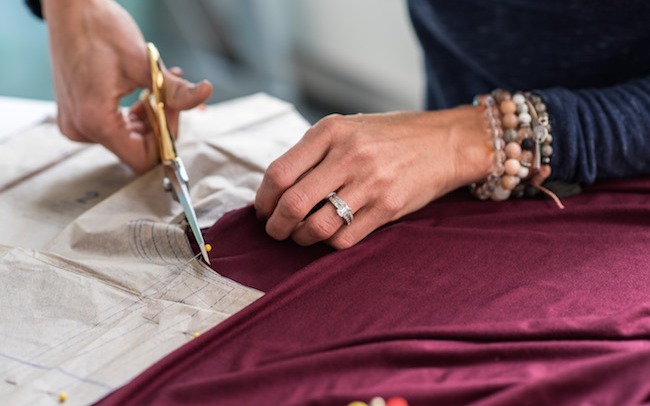
Fabric is one of the biggest investments in every sewing project. Whether you're making a simple blouse, a bridal gown, or a ready-to-wear outfit, every inch of fabric matters. Poor cutting techniques can lead to wasted material, uneven garment pieces, and unnecessary expenses.
The good news is that fabric wastage can be greatly reduced with proper planning and cutting techniques. In this guide, you'll learn practical tips on how to cut fabric accurately while making the most of every yard.
Why Accurate Fabric Cutting Matters
Cutting fabric correctly is just as important as sewing it. Accurate cutting helps you:
Reduce fabric waste.
Save money on materials.
Improve garment fitting.
Achieve cleaner and more professional results.
Increase productivity in your sewing process.
Remember, once fabric is cut incorrectly, it cannot be replaced. Precision is key.
Prepare Your Fabric Before Cutting
Never cut fabric immediately after buying it.
Instead:
Inspect the fabric for defects or stains.
Wash fabrics that are likely to shrink, such as cotton and linen.
Iron or steam the fabric to remove wrinkles.
Lay the fabric flat on a clean, smooth surface.
Wrinkled or uneven fabric can lead to inaccurate cuts.
Use the Right Cutting Tools
The quality of your tools affects the quality of your work.
Essential cutting tools include:
Dressmaker's scissors.
Rotary cutter (for straight and precise cuts).
Cutting mat.
Measuring tape.
Pattern paper.
Tailor's chalk or fabric marker.
Pattern weights or pins.
Always keep your scissors sharp. Dull blades can pull or damage fabric, leading to uneven edges.
Understand the Fabric Grain
Before placing your pattern, identify the fabric's grainline.
Most garments should be cut along the lengthwise grain because it provides stability and helps the garment hang properly.
Ignoring the grainline can cause twisting, stretching, and poor garment fit.
Fold the Fabric Correctly
Many sewing patterns require the fabric to be folded before cutting.
Ensure that:
Both selvedges align perfectly.
The fabric lies flat without wrinkles.
There are no folds or bubbles underneath.
A poorly folded fabric can result in mismatched garment pieces.
Plan Your Pattern Layout
Before making the first cut, arrange all your pattern pieces on the fabric.
Start with the largest pieces, then fit the smaller pieces into the remaining spaces.
This technique helps maximize fabric usage and reduces waste.
Professional fashion designers never rush this step.

Measure Twice, Cut Once
One of the oldest rules in tailoring is:
Measure twice, cut once.
Before cutting:
Double-check all measurements.
Confirm seam allowances.
Ensure the correct pattern size.
Verify the direction of the fabric print.
A few extra minutes of checking can save you from costly mistakes.
Mark Clearly Before Cutting
Use tailor's chalk or a washable fabric marker to trace your pattern before cutting.
Clearly mark:
Seam allowances.
Darts.
Notches.
Fold lines.
Grainlines.
Visible markings help you cut more accurately and assemble the garment with ease.
Cut Smoothly and Confidently
Avoid making short, jagged cuts.
Instead:
Open your scissors fully with each cut.
Cut in long, smooth motions.
Keep the lower blade resting lightly on the table.
Avoid lifting the fabric unnecessarily.
Smooth cutting creates cleaner edges and more accurate garment pieces.
Don't Forget Seam Allowances
One of the most common beginner mistakes is forgetting to include seam allowance.
If your pattern does not already include it, add the appropriate seam allowance before cutting.
This gives you enough fabric for stitching and future alterations.
Cut One Layer at a Time for Delicate Fabrics
Slippery fabrics such as satin, chiffon, and silk can shift easily.
For these fabrics:
Cut a single layer whenever possible.
Use pattern weights instead of excessive pinning.
Take your time to maintain accuracy.
This method helps prevent uneven pieces.
Save Your Fabric Scraps
Don't throw away leftover fabric immediately.
Small pieces can be used for:
Pocket linings.
Bias binding.
Hair accessories.
Children's clothing details.
Fabric flowers.
Patchwork projects.
Fabric-covered buttons.
Practice sewing exercises.
Even tiny scraps can become beautiful design elements.
Common Fabric Cutting Mistakes to Avoid
Many beginners waste fabric because they:
Cut without measuring first.
Ignore the grainline.
Use dull scissors.
Forget seam allowances.
Cut on wrinkled fabric.
Rush the cutting process.
Fail to arrange pattern pieces efficiently.
Avoiding these mistakes will save both fabric and money.
Pro Tips from Experienced Fashion Designers
Buy a little extra fabric for complex designs or fabrics with large prints.
Practice new patterns on inexpensive fabric before using expensive materials.
Label your cut pieces to avoid confusion during sewing.
Keep your cutting table clean and spacious.
Replace worn-out cutting tools when necessary.
Professional results begin with professional preparation.
Final Thoughts
Accurate fabric cutting is one of the most valuable skills every fashion designer can develop. It not only saves money but also improves the quality, fit, and appearance of every garment you create.
Remember, beautiful sewing starts long before you sit behind the sewing machine. By planning carefully, measuring accurately, and cutting with confidence, you'll reduce waste and create garments that reflect true craftsmanship.

Dinat Signature
Dedicated to preserving Nigerian artisanal textile crafts while elevating contemporary pattern cutting, couture construction, and fashion education for makers globally.
Discussion & Feedback 0
Ask tailoring questions, share results, or contribute technical advice.
No comments posted yet
Be the first to share your thoughts or questions regarding this masterclass.
Leave a Comment
Join the conversation. All messages are moderated for respectful dialogue.