How to Start Learning Fashion Designing from Scratch: A Beginner's Step-by-Step Guide
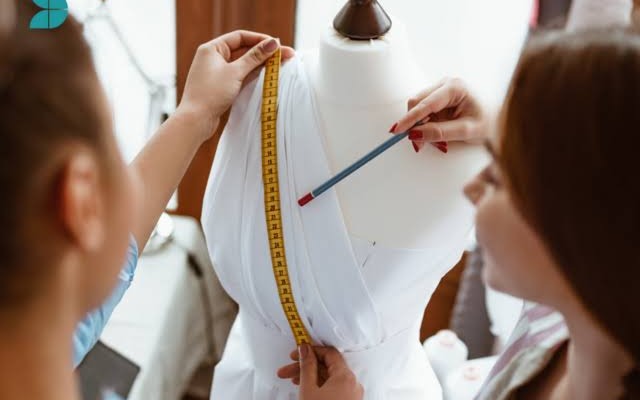
Have you ever admired a beautifully tailored dress or a perfectly fitted suit and thought, "I wish I could make clothes like that?" The good news is that fashion designing is a skill anyone can learn with dedication, patience, and consistent practice.
Many successful fashion designers started with little or no experience. They learned one step at a time, practiced regularly, made mistakes, and improved with each project. If you're passionate about creating clothing, this guide will show you how to begin your fashion design journey from scratch.

What Is Fashion Designing?
Fashion designing is the art and process of creating clothing and accessories that combine creativity, functionality, and style. It involves more than just sewing—it includes understanding fabrics, taking body measurements, drafting patterns, cutting fabric, garment construction, and finishing.
A successful fashion designer knows how to turn an idea into a wearable masterpiece.
Step 1: Develop the Right Mindset
Before buying a sewing machine or fabric, prepare yourself mentally.
Fashion designing is a skill that takes time to master. You won't become an expert overnight, and that's perfectly okay. Every stitch you make is part of your learning journey.
Be patient with yourself, stay curious, and don't let mistakes discourage you. Every experienced designer was once a beginner.
Step 2: Learn the Basics of Sewing
Start with the fundamentals before attempting complex garments.
Learn about:
Sewing tools and equipment.
Types of industrial sewing machines.
Basic sewing stitches.
Sewing machine parts and functions.
How to thread an industrial sewing machine.
Machine maintenance.
Understanding these basics will make every other lesson easier.
Step 3: Learn to Take Body Measurements
A well-fitted garment starts with accurate measurements.
Practice measuring:
Bust.
Waist.
Hip.
Shoulder.
Sleeve length.
Dress length.
Trouser length.
Neck.
Armhole.
Take measurements on family members or friends to build your confidence.
Step 4: Understand Different Types of Fabrics
Every fabric behaves differently.
Take time to learn about fabrics such as:
Cotton.
Ankara.
Lace.
Crepe.
Silk.
Chiffon.
Organza.
Denim.
Velvet.
Mikado.
Lycra.
Tweed.
Knowing when and how to use each fabric is an important part of becoming a professional fashion designer.
Step 5: Practice Straight Sewing
Before sewing garments, practice controlling your machine.
Try sewing:
Straight lines.
Curved lines.
Squares.
Circles.
Zigzag patterns.
Many beginners even sew on paper (without thread) to improve control before working with fabric.
Step 6: Start with Simple Projects
Don't begin with corsets or bridal gowns.
Instead, start with easy projects like:
Pillowcases.
Aprons.
Tote bags.
Simple skirts.
Basic tops.
Shorts.
Bubu gowns.
Each project teaches you new techniques and builds your confidence.
Step 7: Learn Pattern Drafting or Freehand Cutting
Once you're comfortable with sewing basics, move on to garment cutting.
You can choose to learn:
Pattern drafting, where garments are created using paper patterns.
Freehand cutting, where patterns are drawn directly on fabric.
Both methods have their advantages, and many experienced designers use a combination of the two.
Step 8: Practice Every Day
Consistency is the key to improvement.
Even if you only have one hour each day, use that time to:
Sew.
Cut fabric.
Practice stitches.
Draft patterns.
Watch demonstrations.
Correct previous mistakes.
Small daily improvements lead to significant progress over time.
Step 9: Learn Garment Finishing
Beautiful sewing is not complete without proper finishing.
Learn how to:
Hem garments neatly.
Install zippers.
Sew buttonholes.
Attach buttons.
Press seams correctly.
Finish raw edges professionally.
Neat finishing is what separates amateur work from professional craftsmanship.
Step 10: Build Your Portfolio
As you complete projects, take clear photographs of your work.
Keep a record of:
Dresses.
Skirts.
Blouses.
Children's wear.
Native wear.
Ready-to-wear outfits.
A portfolio showcases your growth and helps attract future clients.
Step 11: Invest in the Right Tools
You don't need to buy everything at once, but aim to own quality tools over time.
Start with essentials like:
Industrial sewing machine.
Measuring tape.
Fabric scissors.
Tailor's chalk.
Pins.
Hand sewing needles.
Steam iron.
Ironing board.
Seam ripper.
As your skills improve, you can expand your toolkit.
Step 12: Never Stop Learning
Fashion trends, sewing techniques, and technology continue to evolve.
Continue learning by:
Reading fashion blogs.
Watching tutorials.
Attending workshops.
Practicing new techniques.
Following experienced fashion designers.
Experimenting with different fabrics and styles.
The best designers are lifelong learners.

Common Mistakes Beginners Should Avoid
Many beginners delay their progress by:
Comparing themselves to experienced designers.
Skipping basic lessons.
Buying too many tools before learning to use them.
Fearing mistakes.
Giving up too quickly.
Ignoring practice.
Remember, every mistake is an opportunity to improve.
Can You Learn Fashion Designing at Home?
Absolutely!
With determination, proper guidance, and regular practice, many people successfully learn fashion designing from home.
However, learning from an experienced instructor or enrolling in a reputable fashion school can help you progress faster by providing hands-on guidance and constructive feedback.
Final Thoughts
Learning fashion designing from scratch may seem overwhelming at first, but every expert was once a beginner. Start with the basics, practice consistently, and allow yourself to grow one skill at a time.
Don't rush the process. Focus on mastering each stage, from understanding your sewing machine to creating well-finished garments. With patience, persistence, and passion, you'll develop the confidence to create designs that reflect your unique creativity.
At Dinat Signature, we believe that fashion is more than making clothes, it's about building skills, expressing creativity, and transforming ideas into reality. Start your journey today, keep learning, and let every stitch bring you one step closer to becoming the fashion designer you aspire to be.
Dinat Signature
Dedicated to preserving Nigerian artisanal textile crafts while elevating contemporary pattern cutting, couture construction, and fashion education for makers globally.
Discussion & Feedback 0
Ask tailoring questions, share results, or contribute technical advice.
No comments posted yet
Be the first to share your thoughts or questions regarding this masterclass.
Leave a Comment
Join the conversation. All messages are moderated for respectful dialogue.