Tape Reading and Common Fashion Terms Every Fashion Designer Should Know
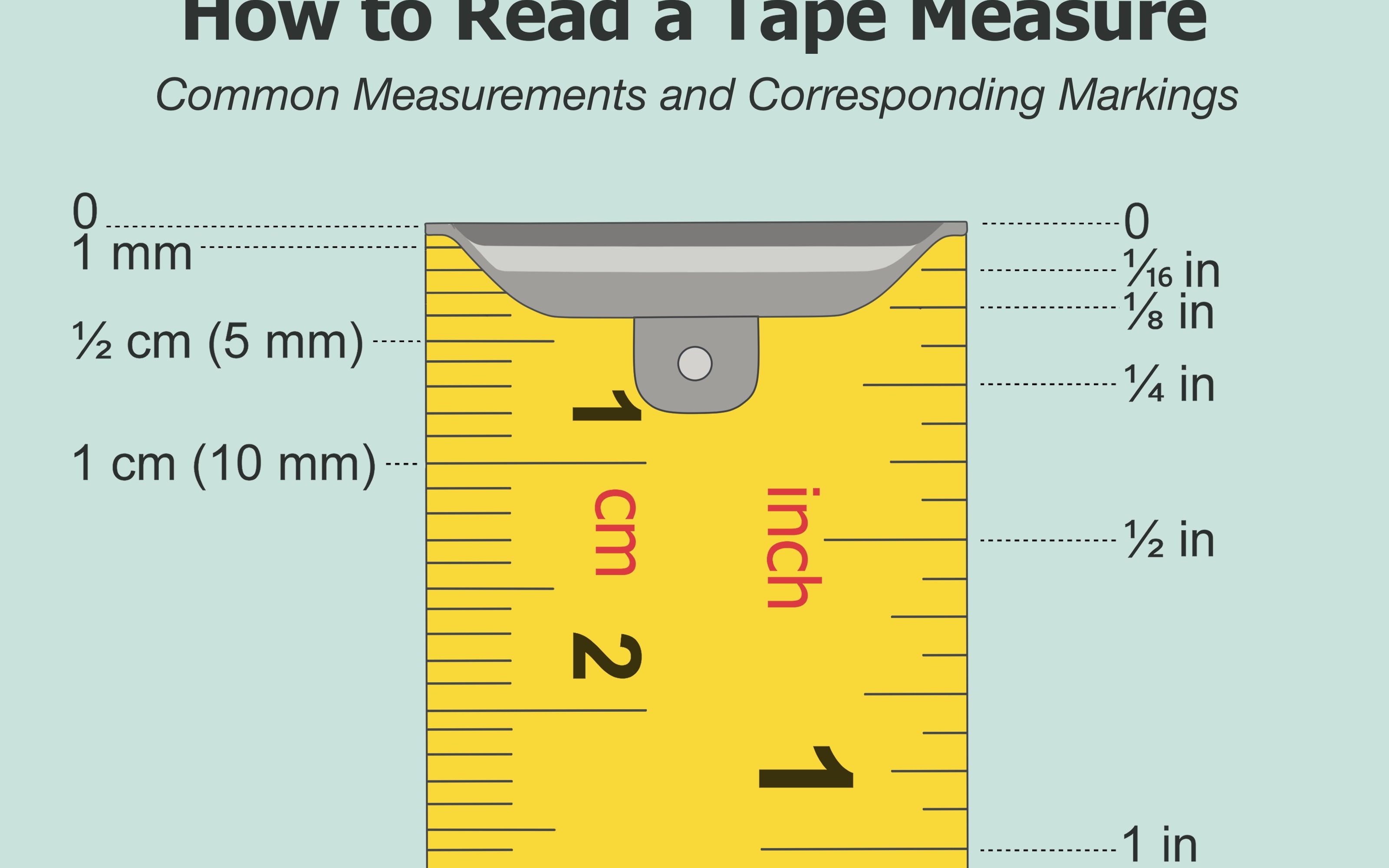
If you're new to fashion designing or tailoring, you've probably heard experienced designers use terms that sound confusing at first. Words like armhole, grainline, hem allowance, notch, and ease are part of the everyday language of fashion design. At the same time, knowing how to read a measuring tape correctly is one of the first skills every fashion designer must master.
Without proper tape reading and an understanding of basic fashion terms, it becomes difficult to take accurate measurements, draft patterns, or achieve a perfect fit.
In this guide, you'll learn how to read a measuring tape and become familiar with the most common fashion terms used in the sewing industry.
Why Tape Reading Is Important
Every garment begins with measurements. Even the most beautiful design can turn out poorly if the measurements are inaccurate.
Learning to read a measuring tape correctly helps you:
Take accurate body measurements.
Draft patterns correctly.
Cut fabric with confidence.
Achieve professional garment fitting.
Reduce sewing errors and fabric waste.
A fashion designer who understands tape reading works faster and produces better-fitting clothes.
Understanding a Measuring Tape
A tailor's measuring tape is flexible and usually has two sides:
Inches (in) – Commonly used in Nigeria, the United States, and many tailoring workshops.
Centimeters (cm) – Used in many other countries and for metric pattern drafting.
Always confirm whether your client or pattern uses inches or centimeters before taking measurements.
How to Read a Measuring Tape
Reading a measuring tape is easier once you understand the markings.
Whole Numbers
The large numbers represent whole inches or centimeters, depending on the side you're using.
For example:
10 means 10 inches.
24 means 24 inches.
Half Inch (½)
The halfway mark between two whole numbers represents half an inch.
Examples:
10½ inches
28½ inches
Quarter Inch (¼)
A quarter inch is one of the smaller markings between whole numbers.
Examples:
15¼ inches
32¾ inches
One-Eighth Inch (⅛)
Some measuring tapes include even smaller divisions known as one-eighth of an inch.
These tiny markings allow for more precise measurements, especially when making fitted garments.
Tip: Always read the tape carefully and double-check your measurements before recording them.
Common Fashion Terms Every Designer Should Know
Understanding fashion terminology makes communication easier in fashion school, tailoring shops, and with clients.
1. Seam
The line where two pieces of fabric are stitched together.
2 . Seam Allowance
The extra fabric left beyond the stitching line for sewing.
3. Hem
The neatly folded and stitched edge at the bottom of a garment.
4 . Hem Allowance
The extra fabric left to create the hem.
5. Armhole
The opening where the sleeve is attached.
6. Neckline
The shape or opening around the neck of a garment.
7. Grainline
The direction of the fabric threads that guides proper pattern placement.
8. Bias
A diagonal direction across the fabric at a 45-degree angle. Fabric cut on the bias has more stretch and drapes beautifully.
9. Notch
Small marks on pattern pieces used to match fabric sections correctly during sewing.
10. Dart
A folded and stitched section that shapes a garment to fit the body's curves.
11. Ease
The extra space added to a garment for comfort and movement.
12. Pleat
A folded section of fabric stitched or pressed into place for style or fullness.
13. Gather
Small folds created by pulling thread to add fullness to a garment.
14. Yoke
A shaped panel, usually found around the shoulders, waist, or hips, that supports or styles a garment.
15. Facing
An extra piece of fabric attached inside a garment to give a neat finish to necklines, armholes, or openings.
16. Interfacing
A material placed inside garments to add strength and structure to collars, cuffs, waistbands, and lapels.
17. Top-stitching
Visible stitching sewn on the outside of a garment for decoration or reinforcement.
18. Basting (Tacking)
Temporary stitches used to hold fabric together before permanent sewing.
19. Pattern Drafting
The process of creating garment patterns using body measurements.
20. Muslin (Toile)
A test garment sewn before cutting the final fabric to check fit and make adjustments.
21. Pressing
Using an iron during sewing to flatten seams and shape garments. Pressing is different from ironing finished clothes.
22. Weaving
These is a process whereby you over-lock the edges of your fabric with the help of the machine to prevent it from shredding and also to keep your work neat and clean.
Tips for Beginners
If you're just starting your fashion journey:
Practice reading your measuring tape every day.
Learn both inches and centimeters.
Keep a notebook of fashion terms.
Ask questions whenever you hear unfamiliar sewing vocabulary.
Practice measuring family members to improve your confidence.
Like sewing itself, tape reading becomes easier with regular practice.
Final Thoughts
Mastering tape reading and understanding basic fashion terms are essential skills for every fashion designer. These two foundations make it easier to take accurate measurements, draft better patterns, communicate professionally, and produce garments that fit beautifully.
As you continue learning and practicing, these terms will become part of your everyday language in the sewing room.
At Dinat Signature, we believe that every great designer starts by mastering the basics. Learn the language of fashion, understand your measuring tape, and let every stitch reflect confidence, precision, and creativity.
Watch Video Guide Below:
Watch the Step-by-Step Workshop
Dinat Signature
Dedicated to preserving Nigerian artisanal textile crafts while elevating contemporary pattern cutting, couture construction, and fashion education for makers globally.
Discussion & Feedback 0
Ask tailoring questions, share results, or contribute technical advice.
No comments posted yet
Be the first to share your thoughts or questions regarding this masterclass.
Leave a Comment
Join the conversation. All messages are moderated for respectful dialogue.