Different Types of Fabrics: Their Names, Uses, and Prices in Nigeria (Complete Guide for Fashion Designers)
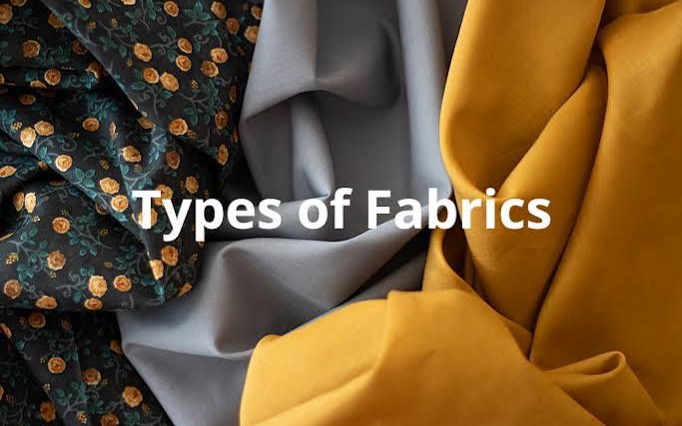
Choosing the right fabric is one of the most important decisions in fashion designing. The type of fabric you choose affects the beauty, comfort, durability, and overall appearance of a garment. Whether you're sewing a bridal gown, senator wear, bubu, kaftan, corset dress, children's clothing, or ready-to-wear outfits, selecting the right fabric is the first step toward achieving a professional finish.
This guide introduces the most common fabrics used in fashion designing, their uses, and their estimated prices in Nigeria.
Disclaimer: Fabric prices vary depending on quality, location, supplier, exchange rates, and market conditions. The prices below are estimated ranges.
1. Ankara Fabric
Uses: Dresses, skirts, shirts, trousers, bubu gowns, children's wear, matching family outfits.
Average Price: ₦3,500–₦40,000 (6 yards).
2. Lace Fabric
Uses: Wedding gowns, Aso-Ebi, party dresses, blouses, luxury outfits.
Average Price: ₦15,000–₦250,000+.
3. Aso-Oke
Uses: Traditional wedding attire, bridal gowns, gele, agbada, senator wear, corset dresses.
Average Price: ₦15,000–₦300,000+.
4. Duchess Satin
Uses: Bridal gowns, corsets, evening dresses, reception gowns.
Average Price: ₦3,500–₦18,000 per yard.
5. Mikado Fabric
Uses: Structured gowns, bridal wear, skirts, luxury dresses.
Average Price: ₦4,000–₦20,000 per yard.
6. Crepe Fabric
Uses: Office wear, dresses, bubu gowns, tops, palazzo trousers.
Average Price: ₦2,500–₦10,000 per yard.
7. Chiffon
Uses: Scarves, sleeves, veils, flowing gowns, kaftans.
Average Price: ₦2,000–₦8,000 per yard.
8. Organza
Uses: Bridal gowns, dramatic sleeves, overlays, children's dresses.
Average Price: ₦700–₦12,000 per yard.
9. Silk
Uses: Luxury dresses, kaftans, bridal outfits, blouses, wrappers.
Average Price: ₦2000–₦30,000 per yard.
10. Cotton
Uses: Shirts, uniforms, children's clothing, casual dresses, tops.
Average Price: ₦2,000–₦8,000 per yard.
11. Linen
Uses: Senator wear, shirts, trousers, kaftans, summer outfits.
Average Price: ₦5,000–₦12,000 per yard.
12. Velvet
Uses: Evening gowns, bridal dresses, jackets, luxury native wear.
Average Price: ₦3,000–₦20,000 per yard.
13. Kampala Fabric
Uses: Bubu gowns, two-piece sets, casual dresses, tops, children's clothing.
Average Price: ₦3,500–₦12,000 per 6 yard.
14. Brocade
Uses: Agbada, senator wear, traditional attire, ceremonial clothing.
Average Price: ₦5,000–₦15,000 per yard.
15. Wool
Uses: Suits, jackets, trousers, coats.
Average Price: ₦4,000–₦25,000 per yard.
16. Denim
Uses: Jeans, jackets, skirts, dresses, shirts, bags, overalls.
Average Price: ₦4,000–₦12,000 per yard.
17. Lamé
Uses: Reception gowns, stage costumes, evening wear, fashion accessories.
Average Price: ₦6,000–₦20,000 per yard.
18. Lycra (Spandex)
Uses: Bodycon dresses, leggings, sportswear, swimwear, dancewear.
Average Price: ₦3,500–₦10,000 per yard.
19. Tweed
Uses: Blazers, jackets, skirts, trousers, coats, matching sets.
Average Price: ₦7,000–₦18,000 per yard.
20. Tulle (Net)
A lightweight, transparent fabric that adds volume and elegance.
Uses: Bridal gowns, veils, ball gowns, tutus, sleeves.
Average Price: ₦500–₦10,000 per yard.
21. Mesh Fabric
A breathable fabric with tiny open holes.
Uses: Sportswear, sleeves, linings, bodycon dresses, inserts.
Average Price: ₦2,500–₦7,000 per yard.
22. Scuba Fabric (Neoprene)
A smooth, slightly thick fabric with excellent structure.
Uses: Peplum tops, skirts, dresses, jackets, structured outfits.
Average Price: ₦3,000–₦12,000 per yard.
23. Jersey Knit
A soft, stretchy fabric that is very comfortable to wear.
Uses: T-shirts, casual dresses, maternity wear, children's clothing.
Average Price: ₦3,500–₦9,000 per yard.
24. Adire Fabric
A traditional hand-dyed Yoruba fabric known for its unique artistic patterns.
Uses: Bubu gowns, kaftans, shirts, trousers, skirts, jackets.
Average Price: ₦10,000–₦50,000 depending on the quality and craftsmanship.
25. Swiss Voile Lace
A premium cotton lace with elegant embroidery.
Uses: Luxury native wear, church outfits, Aso-Ebi, senator wear.
Average Price: ₦25,000–₦120,000 (5–6 yards).
26. Jacquard Fabric
A richly woven fabric with intricate patterns.
Uses: Blazers, suits, gowns, curtains, ceremonial wear.
Average Price: ₦6,000–₦18,000 per yard.
27. Chantilly Lace
A delicate lace with fine floral patterns.
Uses: Wedding gowns, veils, luxury dresses, sleeves.
Average Price: ₦15,000–₦60,000+.
28. Cord Lace
A heavy lace with raised cord embroidery.
Uses: Aso-Ebi, bridal gowns, party dresses, blouses.
Average Price: ₦20,000–₦150,000+.
29. Dry Lace
A stylish lace with minimal shine and a smooth finish.
Uses: Wedding guest outfits, native wear, gowns.
Average Price: ₦18,000–₦80,000+.
30. Guinea Brocade (Bazin)
A premium cotton fabric popular in West Africa.
Uses: Senator wear, agbada, kaftans, luxury native attire.
Average Price: ₦20,000–₦80,000 (complete set).
31. Cashmere
A soft, luxurious fabric prized for comfort and warmth.
Uses: Luxury coats, shawls, sweaters, scarves, elegant dresses.
Average Price: ₦10,000–₦30,000 per yard.
32. Gabardine
A tightly woven fabric that is durable and wrinkle-resistant.
Uses: School uniforms, suits, trousers, skirts, jackets.
Average Price: ₦4,000–₦10,000 per yard.
33. Polyester
A durable synthetic fabric that is affordable and easy to maintain.
Uses: Shirts, dresses, uniforms, linings, casual wear.
Average Price: ₦2,500–₦8,000 per yard.
34. Sequin Fabric
A glamorous fabric decorated with shiny sequins.
Uses: Party gowns, bridal reception dresses, stage costumes, evening wear.
Average Price: ₦2,500–₦30,000 per yard.
How to Choose the Right Fabric
Before purchasing any fabric, ask yourself:
Is it suitable for the garment I want to make?
Does it drape or hold structure well?
Is it comfortable for the weather?
Is it easy to sew?
Does it fit my client's budget?
Will it require lining or interfacing?
Choosing wisely will save time, reduce mistakes, and produce garments that clients will love.
Final Thoughts
Every fabric tells a different story. Some are soft and flowing, while others are firm and structured. As a fashion designer, understanding the characteristics of each fabric will help you make informed decisions, improve your craftsmanship, and create garments that stand out in quality and style.
The more familiar you become with different fabrics, the easier it will be to match the right material to the right design.
Exceptional fashion begins with informed choices. Master your fabrics, sharpen your skills, and let every outfit reflect excellence.
Dinat Signature
Dedicated to preserving Nigerian artisanal textile crafts while elevating contemporary pattern cutting, couture construction, and fashion education for makers globally.
Discussion & Feedback 0
Ask tailoring questions, share results, or contribute technical advice.
No comments posted yet
Be the first to share your thoughts or questions regarding this masterclass.
Leave a Comment
Join the conversation. All messages are moderated for respectful dialogue.