Direct Drive, Clutch Motor, and Servo Motor Industrial Sewing Machines: Differences, Features, and Prices in Nigeria
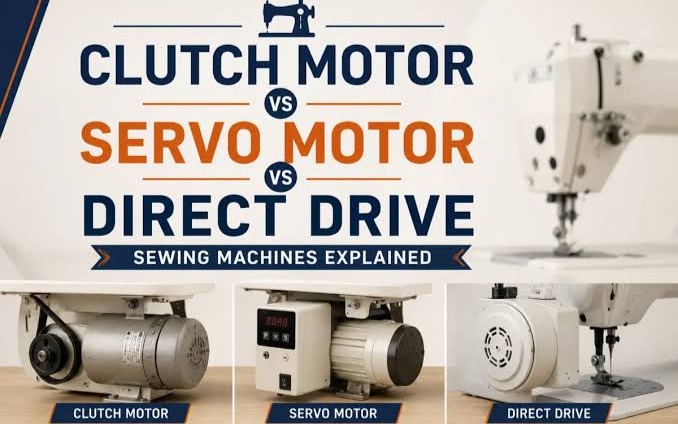
Choosing the right industrial sewing machine is one of the most important decisions every fashion designer will make. Whether you're setting up a tailoring shop, starting a fashion academy, or upgrading your sewing equipment, understanding the differences between clutch motor, servo motor, and direct drive industrial sewing machines will help you make the right investment.
Each type of machine has its own strengths, weaknesses, and ideal use cases. In this guide, we'll compare these three industrial sewing machines, explain their features, and provide estimated prices in Nigeria.
Disclaimer: Prices mentioned in this article are estimates and may vary depending on the brand, location, exchange rates, and supplier.
What Is an Industrial Sewing Machine?
An industrial sewing machine is a heavy-duty sewing machine designed for continuous use, higher sewing speeds, and professional garment production. Unlike domestic sewing machines, industrial machines are built to handle demanding workloads while delivering consistent stitch quality.
The main difference between many industrial machines lies in the type of motor they use.
1. Clutch Motor Industrial Sewing Machine
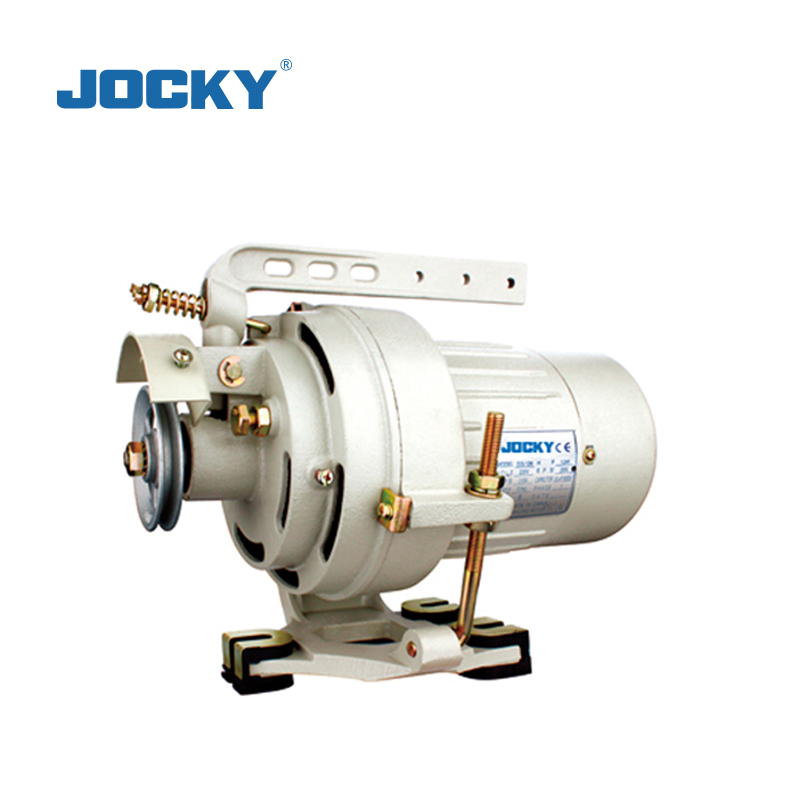
A clutch motor is the traditional motor used on many older industrial sewing machines.
When the machine is switched on, the motor runs continuously—even when you're not sewing. Pressing the foot pedal engages a clutch that transfers power to the machine.
Advantages
Very powerful.
Suitable for heavy fabrics.
Durable and long-lasting.
Less expensive than newer systems.
Commonly available in Nigeria.
Disadvantages
Noisy during operation.
Consumes more electricity.
Generates more heat.
Harder for beginners to control.
Can sew at very high speeds with little pedal movement.
Best For
Experienced tailors.
Garment factories.
Heavy-duty production.
Sewing thick materials such as denim and canvas.
Estimated Price in Nigeria
Complete machine: ₦180,000–₦350,000.
Clutch motor only: ₦35,000–₦70,000.
2. Servo Motor Industrial Sewing Machine
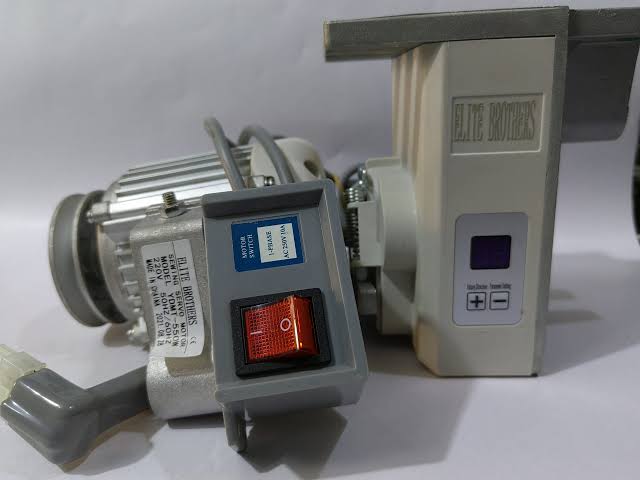
A servo motor is a modern replacement for the traditional clutch motor.
Unlike a clutch motor, the servo motor only runs when you press the foot pedal, making it much quieter and more energy-efficient.
Many fashion designers upgrade older industrial machines by replacing the clutch motor with a servo motor.
Advantages
Quiet operation.
Energy efficient.
Smooth speed control.
Beginner-friendly.
Generates less heat.
Lower electricity consumption.
Disadvantages
Slightly more expensive than clutch motors.
Some low-quality models have lower torque for extremely heavy materials.
Best For
Beginners.
Fashion schools.
Tailoring shops.
Home studios.
Fashion entrepreneurs.
Estimated Price in Nigeria
Servo motor only: ₦60,000–₦120,000.
Complete industrial machine with servo motor: ₦250,000–₦450,000.
3. Direct Drive Industrial Sewing Machine
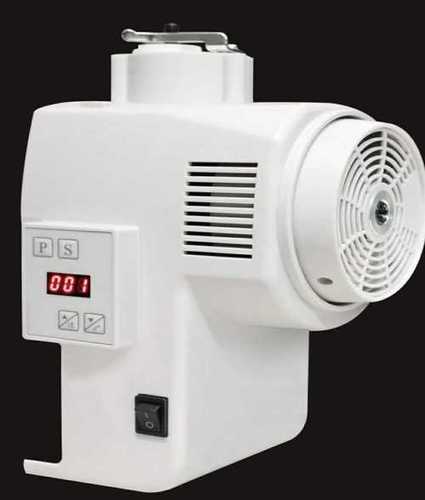
A direct drive industrial sewing machine represents the latest generation of industrial sewing technology.
Instead of using an external motor connected by a belt, the motor is built directly into the machine head.
This design reduces vibration, improves efficiency, and provides smoother sewing.
Advantages
Extremely quiet.
Very energy efficient.
Smooth operation.
Reduced vibration.
Faster response.
Compact design.
Low maintenance.
Excellent speed control.
Professional stitching quality.
Disadvantages
Higher purchase price.
Repairs may require specialized technicians.
Replacement electronic components can be more expensive.
Best For
Professional fashion designers.
Fashion academies.
Bridal designers.
Ready-to-wear production.
Anyone seeking modern sewing technology.
Estimated Price in Nigeria
Complete direct drive industrial machine: ₦300,000–₦700,000+, depending on the brand and features.
Comparison Table
Feature | Clutch Motor | Servo Motor | Direct Drive |
|---|---|---|---|
Noise Level | High | Very Low | Extremely Low |
Power Consumption | High | Low | Very Low |
Speed Control | Difficult | Easy | Excellent |
Beginner Friendly | No | Yes | Yes |
Energy Efficiency | Low | High | Very High |
Vibration | High | Low | Very Low |
Maintenance | Moderate | Low | Low |
Sewing Comfort | Fair | Very Good | Excellent |
Purchase Cost | Lowest | Moderate | Highest |
Which One Should You Buy?
The right choice depends on your experience, budget, and sewing needs.
Choose a Clutch Motor If:
You have a limited budget.
You sew heavy-duty materials regularly.
You're already experienced with industrial machines.
You don't mind the noise.
Choose a Servo Motor If:
You're a beginner.
You want better speed control.
You want to save on electricity.
You already own an industrial machine and want to upgrade it.
Choose a Direct Drive Machine If:
You're setting up a professional tailoring shop.
You want the latest technology.
You value quiet operation.
You want maximum comfort and efficiency.
You plan to sew daily for long hours.
Popular Industrial Sewing Machine Brands in Nigeria
Some trusted brands include:
Two Lion
Juki
Jack
Siruba
Brother
Zoje
Typical
Highlead
Gemsy
Pegasus (mainly for overlock machines)
Always buy from reputable dealers and ensure spare parts are readily available.
Tips Before Buying an Industrial Sewing Machine
Before making your purchase, consider the following:
Your sewing experience.
Your budget.
The type of garments you make.
Availability of spare parts.
Warranty and after-sales support.
Electricity consumption.
Ease of maintenance.
Choosing the right machine can save you money and improve your productivity.
Final Thoughts
Industrial sewing machines are long-term investments that can transform your fashion business. While clutch motor machines remain reliable and affordable, servo motor and direct drive machines offer greater comfort, quieter operation, and improved energy efficiency.
If you're just starting your fashion journey, a servo motor or direct drive industrial sewing machine is generally easier to control and more comfortable to use. For large-scale production or heavy-duty work, a clutch motor can still be an excellent choice.
Take time to compare your options, invest in quality equipment, and choose a machine that matches your current needs and future goals.
Dinat Signature
Dedicated to preserving Nigerian artisanal textile crafts while elevating contemporary pattern cutting, couture construction, and fashion education for makers globally.
Discussion & Feedback 0
Ask tailoring questions, share results, or contribute technical advice.
No comments posted yet
Be the first to share your thoughts or questions regarding this masterclass.
Leave a Comment
Join the conversation. All messages are moderated for respectful dialogue.