How to Maintain Your Industrial Sewing Machine: A Complete Guide for Long-Lasting Performance
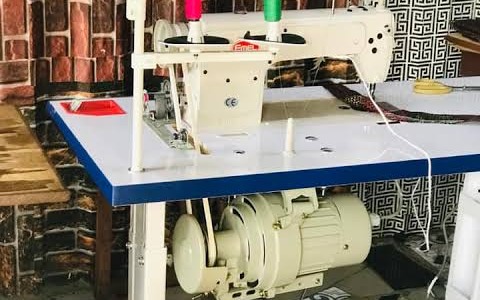
An industrial sewing machine is one of the most valuable investments a fashion designer can own. Whether you're running a tailoring shop, a fashion academy, or a garment production business, proper maintenance is essential to keep your machine working efficiently.
Many sewing machine problems—such as thread breakage, skipped stitches, unusual noises, and poor stitch quality—are often caused by lack of maintenance rather than mechanical faults. The good news is that with regular care, your industrial sewing machine can serve you reliably for many years.
In this guide, you'll learn practical tips on how to maintain your industrial sewing machine and keep it in excellent working condition.
Why Sewing Machine Maintenance Is Important
Routine maintenance helps you:
Extend the lifespan of your machine.
Improve stitch quality.
Reduce costly repairs.
Prevent machine breakdowns.
Increase sewing speed and productivity.
Keep your garments looking professional.
A well-maintained sewing machine performs better and makes sewing more enjoyable.
1. Clean Your Machine Daily
Dust, lint, and tiny pieces of thread accumulate inside the machine every time you sew.
At the end of each sewing session:
Remove loose thread from the needle area.
Brush away lint around the feed dogs.
Clean the bobbin area.
Wipe the machine with a soft, dry cloth.
Never allow lint to build up, as it can interfere with smooth stitching.
2. Oil Your Machine Regularly
Most industrial sewing machines require regular oiling to reduce friction between moving parts.
Use only high-quality sewing machine oil and follow the manufacturer's oiling instructions.
Avoid using engine oil, cooking oil, or other substitutes, as they can damage the machine.
Tip: If your machine has an automatic lubrication system, regularly check the oil reservoir and keep it filled to the recommended level.
3. Change Your Sewing Needle Frequently
A worn or bent needle can cause:
Skipped stitches.
Fabric damage.
Thread breakage.
Uneven seams.
Replace your needle after every major project or after approximately 8–10 hours of sewing, depending on the fabric and frequency of use.
Always choose the correct needle size for your fabric.
4. Use High-Quality Thread
Cheap or low-quality thread produces excessive lint and breaks easily.
Good-quality thread:
Creates smoother stitches.
Reduces tension problems.
Protects your machine.
Produces cleaner garment finishes.
Investing in quality thread also reduces maintenance issues.
5. Check Thread Tension Regularly
Incorrect thread tension can make even a perfectly functioning machine produce poor stitches.
If you notice:
Loose loops underneath the fabric,
Tight puckered seams,
Uneven stitches,
Check the upper and bobbin thread tension before adjusting anything else.
Always test your settings on a scrap piece of fabric first.
6. Keep the Bobbin Area Clean
The bobbin area collects lint faster than almost any other part of the machine.
Remove the bobbin and bobbin case regularly, then use a small brush to remove lint and dust.
Avoid blowing into the machine with your mouth, as moisture can encourage rust. Instead, use a soft brush or a small hand blower if available.
7. Tighten Loose Screws
Continuous sewing causes vibration, which may loosen screws over time.
Inspect your machine regularly and tighten any loose screws carefully.
Loose components can affect stitch quality and machine performance.
8. Protect Your Machine from Dust
When your machine is not in use:
Cover it with a dust cover or clean cloth.
Store it in a dry, well-ventilated area.
Keep it away from direct sunlight and excessive moisture.
Dust is one of the biggest enemies of sewing machines.
9. Keep Your Machine Table Clean
A cluttered sewing table can cause fabric to drag or snag while sewing.
Keep your work area free from:
Fabric scraps.
Pins.
Loose thread.
Oil spills.
Dust.
A clean workspace contributes to better sewing results.
10. Listen to Your Machine
An industrial sewing machine often tells you when something is wrong.
Pay attention to:
Unusual knocking sounds.
Grinding noises.
Excessive vibration.
Burning smells.
Difficulty turning the handwheel.
Never ignore these warning signs. Stop sewing and inspect the machine before continuing.
11. Service Your Machine Periodically
Even if your machine appears to be working well, it should be professionally serviced from time to time.
A qualified technician can:
Adjust timing.
Check internal components.
Replace worn parts.
Lubricate hidden mechanisms.
Identify problems before they become serious.
Regular servicing is an investment that saves money in the long run.
12. Use the Right Machine for the Right Fabric
Industrial machines are designed for different purposes.
Avoid forcing lightweight machines to sew very thick materials or using heavy-duty machines on extremely delicate fabrics without the appropriate settings.
Using the wrong machine can damage both the machine and the fabric.
Common Mistakes That Damage Industrial Sewing Machines
Many beginners unknowingly shorten the life of their machines by:
Sewing with a bent needle.
Ignoring strange noises.
Using poor-quality thread.
Forgetting to oil the machine.
Pulling fabric while sewing.
Leaving lint inside the bobbin area.
Running the machine without proper maintenance.
Avoiding these habits will keep your machine running smoothly.
Signs Your Sewing Machine Needs Attention
Your machine may require maintenance if you notice:
Frequent thread breakage.
Skipped stitches.
Uneven stitch formation.
Excessive noise.
Difficulty feeding fabric.
Oil leaking.
Needle breakage.
Fabric puckering.
Addressing these issues early can prevent more expensive repairs.
Pro Maintenance Tips
Professional fashion designers often follow these habits:
Clean the machine after every day's work.
Oil the machine as recommended.
Replace needles regularly.
Keep spare bobbins and needles available.
Test stitches before every project.
Schedule professional servicing at least once or twice a year, depending on usage.
Small maintenance routines can make a big difference over time.
Final Thoughts
Your industrial sewing machine is the heart of your tailoring business. Taking good care of it ensures smoother sewing, better garment quality, fewer interruptions, and a longer machine lifespan.
Maintenance doesn't have to be complicated. A few minutes of cleaning, proper oiling, and routine inspections can prevent many common sewing problems and keep your machine performing at its best.
A well-maintained sewing machine is a fashion designer's trusted partner. Treat your machine with care, and it will reward you with years of reliable performance and beautifully crafted garments.

Dinat Signature
Dedicated to preserving Nigerian artisanal textile crafts while elevating contemporary pattern cutting, couture construction, and fashion education for makers globally.
Discussion & Feedback 0
Ask tailoring questions, share results, or contribute technical advice.
No comments posted yet
Be the first to share your thoughts or questions regarding this masterclass.
Leave a Comment
Join the conversation. All messages are moderated for respectful dialogue.