Why Measurements and Fit Matters When Making a Straight Skirt - What Fashion Designers Should Know
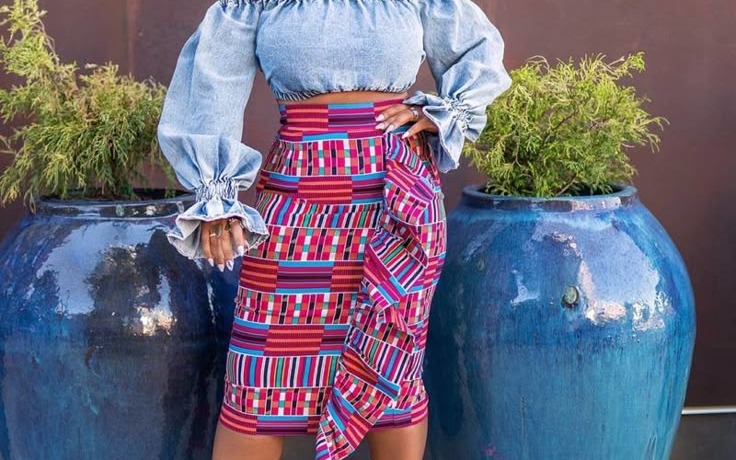
One of the main reasons skirts turn out too tight, too loose, or uncomfortable is poor understanding of measurements and fitting. A straight skirt may look simple, but achieving a neat and flattering fit requires proper measurement placement and correct allowances.
This article explains how measurements affect the final fit of a straight skirt and how to use them correctly during cutting and sewing.
Why Measurements Matter in Skirt Making
Measurements determine:
How the skirt sits on the waist
How comfortably it fits around the hips
How neat the skirt looks at the knee and hem
Even a small measuring error can affect balance and comfort, especially around the hip area.
Essential Measurements for a Straight Skirt
To achieve a good fit, the following measurements are required:
Waist circumference
Hip circumference
Waist to hip length
Waist to knee length
Full skirt length
Each measurement plays a specific role and should never be guessed or assumed.
Understanding Vertical Measurements
Vertical measurements control the length and balance of the skirt.
Waist to hip ensures the skirt sits properly without pulling
Waist to knee helps maintain correct shaping
Full length determines the final appearance of the skirt
Marking these points correctly before shaping prevents uneven fitting.
Understanding the Horizontal Measurements
Horizontal measurements affect comfort and ease.
Waist and hip measurements are divided by four because the skirt is drafted on a folded fabric
Sewing allowance is added after dividing
Using the correct allowance ensures the skirt is wearable and adjustable.
Ease and Seam Allowance: What you should know
Many beginners confuse ease with seam allowance.
Ease allows movement and comfort
Seam allowance is extra fabric for sewing and finishing
A straight skirt needs enough ease at the hip and knee to allow walking comfortably.
Achieving a Balanced Fit
For a well-fitted straight skirt:
The waist should sit flat without gaps
The hip should feel comfortable, not tight
The hem should fall evenly all around
Always test-fit before final stitching to correct any imbalance.
In Conclusion
Mastering measurements and fit is more important than rushing through cutting and sewing. When measurements are taken correctly and applied properly, a straight skirt becomes one of the easiest and most reliable garments to produce.
With consistent practice, understanding fit will improve your confidence and the quality of your finished work.

Dinat Signature
Dedicated to preserving Nigerian artisanal textile crafts while elevating contemporary pattern cutting, couture construction, and fashion education for makers globally.
Discussion & Feedback 0
Ask tailoring questions, share results, or contribute technical advice.
No comments posted yet
Be the first to share your thoughts or questions regarding this masterclass.
Leave a Comment
Join the conversation. All messages are moderated for respectful dialogue.